
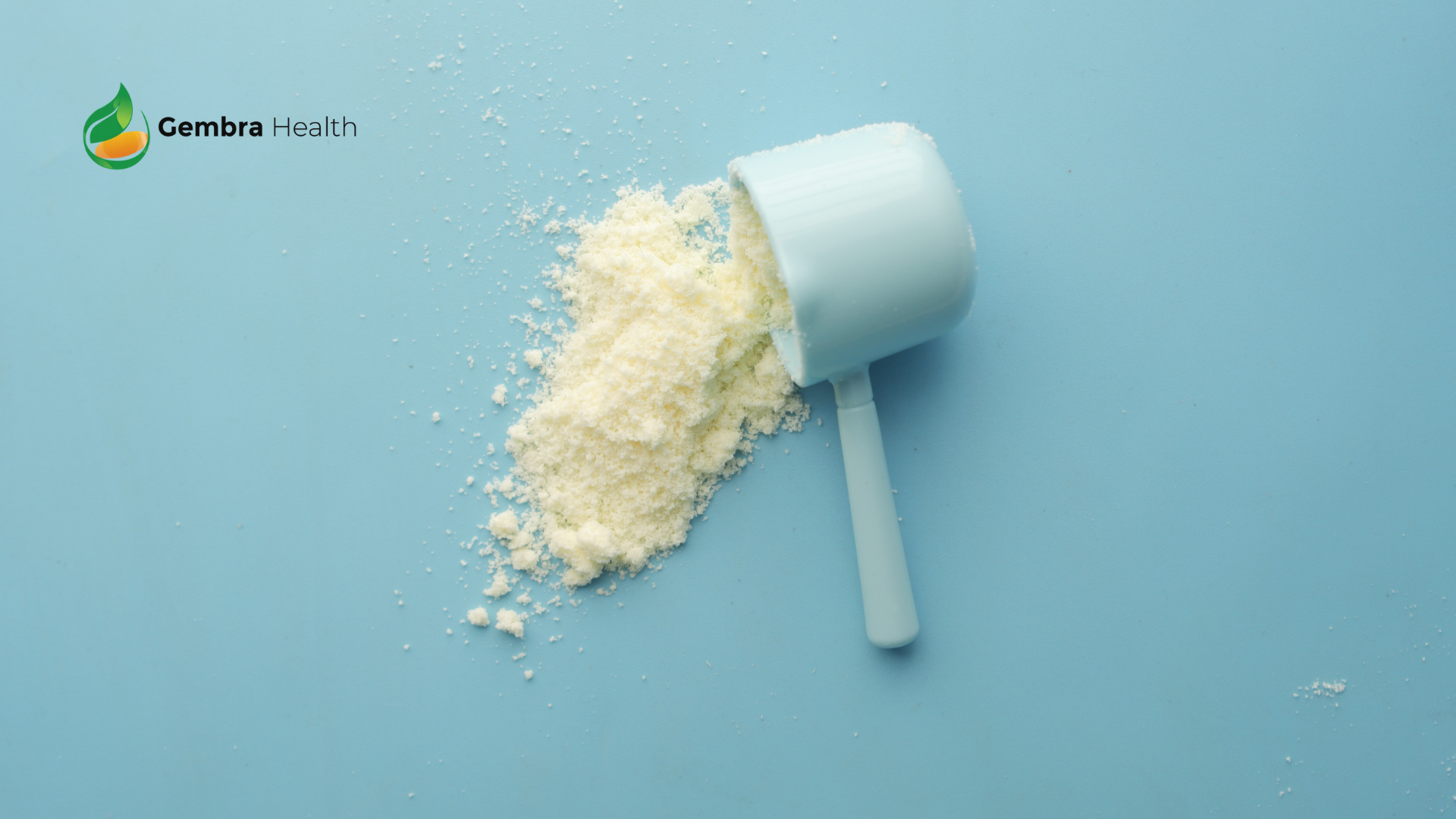
In the world of nutritional science and supplement formulation, there’s growing recognition that organ meats are among the most nutrient-dense foods on the planet. They provide an incredible array of bioavailable vitamins, minerals, amino acids, enzymes, and cofactors that support human health in ways synthetic isolates simply cannot match. But harnessing these powerful nutrients in a stable, shelf-ready form without losing their potency requires careful handling. That’s where lyophilization — commonly known as freeze-drying — comes into play. It’s the gold-standard method for creating high-quality glandular supplements that retain the natural nutrition of raw organ tissue.
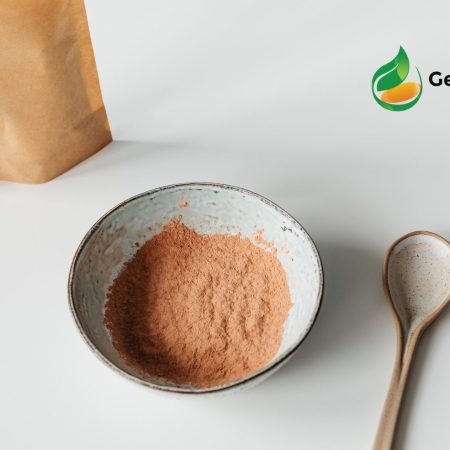
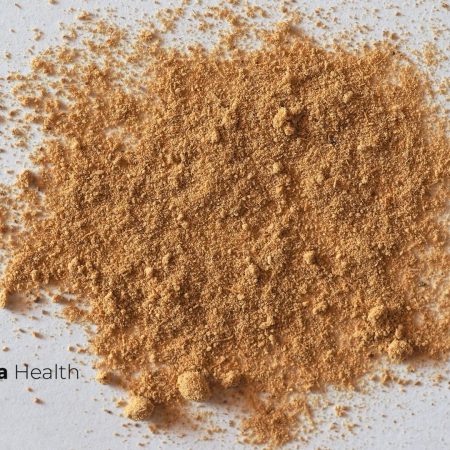
At Gembra Health, we’ve built our entire production process around this principle. We source grass-fed, pasture-raised bovine organs from New Zealand and use advanced freeze-drying technology to transform them into premium glandular powders. The result is a full spectrum of natural desiccated organ ingredients with their nutritional integrity intact — without fillers, flow agents, or synthetic additives. This approach is at the heart of what makes our products stand apart in the nutraceutical industry.
Understanding Glandular Supplements and Why Processing Matters
Glandular supplements are derived from the organs and glands of healthy animals, typically bovine or ovine sources. These include liver, kidney, heart, thyroid, thymus, spleen, pancreas, brain, bone marrow, and many others. Each organ contains a unique profile of nutrients and bioactive compounds that target specific systems in the body. For example, liver is rich in vitamin A, B12, heme iron, folate, choline, copper, and zinc, supporting energy, detoxification, and red blood cell production. Kidney provides selenium and enzymes that benefit antioxidant function and detox pathways. Heart is a natural source of CoQ10 and essential peptides for cardiovascular health. Thymus and spleen offer immune-modulating compounds, while thyroid contributes naturally occurring thyroid hormones and glandular cofactors.
The problem is that these nutrients are delicate. Traditional processing methods like air drying, oven drying, or spray drying expose tissues to high temperatures, often exceeding 150°C. Such conditions can degrade vitamins, denature proteins, oxidize lipids, and destroy enzymes. The result is a product that may still carry the name of the organ it came from but has lost much of its original nutritional potency. This is why the method of dehydration is just as important as the quality of the raw material itself.
How Lyophilization Works
Lyophilization, or freeze-drying, is a low-temperature dehydration process that removes moisture from frozen material under vacuum. Instead of using heat to evaporate water, the process relies on sublimation — the direct transition of water from a solid (ice) to a gas (vapor) without passing through the liquid phase. This distinction is crucial because it allows the structural and chemical integrity of the organ tissue to remain intact.
The process unfolds in three stages:
- Freezing: Fresh organ tissue is rapidly frozen at extremely low temperatures, often below -40°C. This locks all nutrients in place, stabilizes delicate enzymes, and prevents oxidation or degradation.
- Primary Drying (Sublimation): Under carefully controlled vacuum conditions, the pressure is lowered, and the ice within the tissue turns directly into vapor. Because this occurs without the liquid stage, it minimizes nutrient loss and structural damage.
- Secondary Drying (Desorption): Finally, any residual moisture is gently removed. The resulting product is a stable, shelf-stable powder with less than 5% moisture content, ideal for long-term storage and formulation.
This approach preserves the natural matrix of the organ tissue — including proteins, peptides, enzymes, vitamins, and minerals — in a way that no heat-based method can achieve.
Nutrient Retention: Why Freeze-Drying Is Superior
Numerous studies and decades of industry experience confirm that freeze-drying is the most effective way to retain the nutritional profile of delicate biological materials. It preserves up to 95–99% of the original nutrient content, compared to as little as 50–70% for traditional drying methods. Here’s why:
- Vitamins and minerals remain intact: Heat-sensitive nutrients like vitamin A, B-complex vitamins, folate, and certain antioxidants degrade rapidly under heat. Freeze-drying avoids this, keeping them stable and bioavailable.
- Proteins and enzymes maintain their structure: Denaturation is a major issue in spray-dried or oven-dried products. Lyophilization preserves protein structure and enzyme activity, which are critical for biological function.
- Lipids and co-factors resist oxidation: High temperatures accelerate lipid peroxidation, damaging essential fatty acids and fat-soluble vitamins. Freeze-drying minimizes oxidation by keeping temperatures low and oxygen exposure minimal.
- Bioavailability stays high: Because the natural structure of the organ tissue is preserved, the body can recognize and absorb nutrients more efficiently, mimicking the benefits of consuming raw organ meats.
These advantages translate directly into more effective supplements. A freeze-dried bovine liver powder, for instance, will provide higher levels of vitamin A, heme iron, and B12 — all in their most bioavailable forms. The same is true for kidney powder, thyroid powder, thymus powder, and other glandular ingredients.
From Pasture to Powder: Quality Starts at the Source
While processing is critical, the quality of the final product also depends on the quality of the raw material. Gembra Health sources organs exclusively from grass-fed, pasture-raised cattle in New Zealand — a country known for its strict agricultural standards and pristine environment. The livestock are hormone-free, GMO-free, and raised on regenerative farms that prioritize animal welfare and environmental sustainability. This ensures that the starting material is as clean, nutrient-rich, and biologically active as possible.
Once harvested, the organs are handled with meticulous care. They are immediately frozen to preserve freshness, then transported to our cGMP-certified facility for processing. Every batch undergoes third-party testing to verify purity, potency, and the absence of contaminants such as heavy metals, pathogens, and pesticides. This combination of high-quality sourcing, advanced processing, and rigorous quality control is what makes Gembra Health a trusted supplier for supplement brands worldwide.
For a closer look at the specific organ powders we offer — from liver and kidney to thymus, spleen, and brain — explore our product descriptions.
Applications in Modern Supplement Formulation
Freeze-dried glandular powders are versatile raw materials that can be used in a wide variety of supplement formulations. They’re ideal for encapsulated products, custom blends, and bulk ingredient supply. Because the powders are highly concentrated and shelf-stable, they allow formulators to deliver targeted organ support without the challenges of raw tissue sourcing or preparation.
Some of the most common applications include:
- Energy and vitality support: Liver powder is rich in B vitamins, iron, and retinol, making it ideal for formulations aimed at boosting energy and red blood cell production.
- Thyroid health: Natural desiccated thyroid and thyroid glandular powders contain iodine, tyrosine, and thyroid hormones that support healthy metabolism.
- Immune function: Thymus, spleen, and lymph glandulars contain peptides and cofactors that modulate immune activity.
- Joint and cartilage support: Trachea, bone, and marrow powders provide collagen, glycosaminoglycans, and minerals essential for joint structure.
- Skin, hair, and connective tissue: Hydrolyzed collagen and glandular-derived peptides help support skin elasticity and tissue repair.
- Digestive and metabolic support: Pancreas and gallbladder powders provide enzymes and bile factors that enhance nutrient absorption.
To learn more about how these ingredients are used in formulations and see additional insights into glandular nutrition, browse our blog.
Why Lyophilized Glandulars Are the Future of Nutraceuticals
As consumers become more educated about whole-food nutrition and the limitations of synthetic isolates, demand for nutrient-dense, bioavailable organ-based ingredients continues to grow. Freeze-dried glandulars check all the boxes: they’re natural, minimally processed, nutrient-rich, and highly effective. They align perfectly with trends in regenerative agriculture, sustainable sourcing, and ancestral nutrition.
For supplement brands and formulators, working with lyophilized glandular powders means they can create products that deliver real physiological benefits — not just marketing promises. It means offering their customers the closest thing to fresh organ nutrition in a convenient, stable, and scalable form.
At Gembra Health, we’re committed to being more than a supplier. We’re a partner in innovation, offering not only premium bulk powders but also support for custom ingredient blends, private label development, and formulation guidance. Whether you’re launching a new organ supplement or upgrading an existing formula, our team is here to help.
Bringing It All Together
Freeze-drying is more than a processing technique — it’s the key to unlocking the full potential of organ-based nutrition. By preserving vitamins, minerals, enzymes, and peptides in their natural state, lyophilization ensures that every gram of glandular powder retains its original power. Combined with sustainable sourcing, rigorous quality control, and cGMP-certified manufacturing, it’s what makes Gembra Health a trusted source of high-performance ingredients for supplement brands worldwide.
If you’re ready to explore the benefits of premium glandular powders or want to discuss custom formulations, contact us today. Our team will work with you to bring nutrient-dense, freeze-dried organ nutrition from pasture to product — with purity, potency, and performance you can trust.