
When sourcing bovine organ powders for your supplement line, most conversations focus on origin, certifications, and testing protocols. These factors absolutely matter, but there’s another variable that deserves equal attention from formulators: whether the powder is defatted or non-defatted. This processing distinction significantly impacts the nutritional profile of your finished product, and choosing the wrong option could mean your customers aren’t getting the full benefits they expect from organ supplementation.
At Gembra Health, we process all of our bovine organ powders using non-defatted methods because we believe in preserving the complete nutritional integrity of these remarkable whole foods. Understanding why this matters will help you make better sourcing decisions and create supplements that truly deliver on their promises.
Understanding the Difference Between Defatted and Non-Defatted Processing
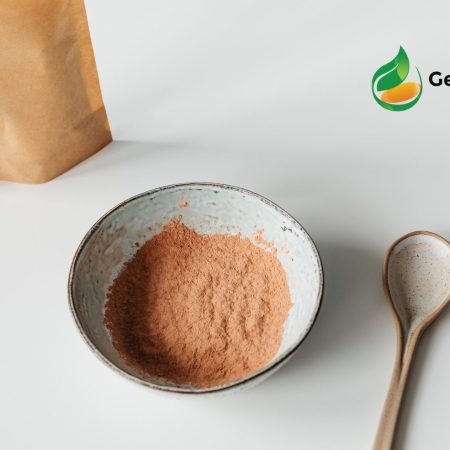
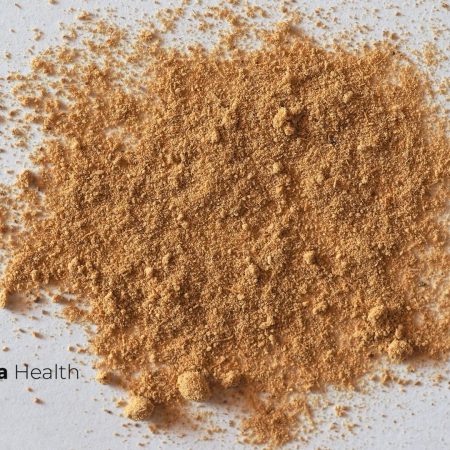
The terms defatted and non-defatted refer to whether the natural fats have been removed from the organ tissue during processing. Defatted powders go through an additional extraction step, typically using solvents or mechanical pressing, to strip away the lipid content. The resulting powder is leaner, often lighter in color, and has a longer shelf life due to reduced oxidation risk. Non-defatted powders skip this extraction step entirely, preserving the organ’s natural fat content along with everything those fats contain.
On the surface, defatting might seem like a reasonable processing choice. Fats can be more challenging to work with in manufacturing, and removing them does extend shelf stability. However, this convenience comes at a significant nutritional cost that many supplement brands don’t fully appreciate until they understand what’s actually being removed.
Organ meats are valued precisely because they contain nutrients that are difficult to obtain elsewhere in the modern diet. Many of these nutrients, including some of the most important ones, are fat-soluble. When you remove the fat from liver, heart, kidney, or brain tissue, you’re not just removing lipids. You’re removing the very medium that makes certain vitamins and compounds bioavailable to the human body.
What Gets Lost When You Remove the Fat
Fat-soluble vitamins require dietary fat for proper absorption in the digestive system. Vitamins A, D, E, and K all fall into this category, and organ meats happen to be exceptional sources of several of them. Liver, for instance, contains one of the highest concentrations of naturally occurring vitamin A found in any food. This vitamin A is bound within the fat matrix of the tissue, and when that fat is extracted during defatting, a meaningful portion of the vitamin A goes with it.
The same principle applies to other fat-soluble compounds that make organ meats so nutritionally valuable. Coenzyme Q10, found abundantly in heart tissue, is a lipophilic molecule that associates closely with cellular fats. Brain tissue contains phospholipids, omega-3 fatty acids, and other lipid-based nutrients that support cognitive function. Removing the fat from these organs doesn’t just reduce caloric content. It fundamentally changes what the powder can offer to the end consumer.
Beyond the vitamins themselves, there’s the question of bioavailability. Even if some fat-soluble nutrients survive the defatting process, consuming them without their natural fat matrix can reduce how effectively the body absorbs and utilizes them. The fats in organ tissue aren’t just passive carriers. They’re functional components that work synergistically with the vitamins and minerals present. This is one of the reasons whole food supplements often outperform isolated synthetic nutrients, and it’s a benefit that defatting undermines.
Why Some Suppliers Choose Defatting Anyway
Given these nutritional drawbacks, you might wonder why any supplier would choose to defat their organ powders. The answer comes down to manufacturing convenience and cost considerations rather than what’s best for the end product.
Defatted powders are easier to encapsulate because they flow more smoothly through filling equipment. They have reduced stickiness and clumping, which simplifies storage and handling. The lower fat content also means less susceptibility to rancidity, extending shelf life without requiring the same level of care in storage and transportation. For high-volume manufacturers prioritizing operational efficiency over nutritional optimization, these practical benefits can seem attractive.
There’s also a perception issue at play. Some consumers and even some formulators associate lower fat content with higher quality or greater purity. This misconception likely stems from decades of dietary messaging that positioned fat as something to be avoided. In the context of organ supplements, however, this thinking is exactly backwards. The fat is where much of the nutritional value resides, and removing it produces a less complete product, not a more refined one.
Price pressure in the supplement industry also plays a role. Defatting allows suppliers to sell the extracted fats separately for other applications, effectively getting two revenue streams from the same raw material. The remaining defatted powder can then be sold at a lower price point, appealing to brands competing primarily on cost rather than quality. This approach might make short-term economic sense, but it results in products that don’t deliver the full spectrum of benefits that consumers seek from organ supplementation.
The Non-Defatted Advantage for Supplement Formulations
When you source non-defatted organ powders for your formulations, you’re choosing to preserve everything that makes these ingredients valuable in the first place. The result is a more nutritionally complete raw material that allows you to make stronger, more accurate claims about your finished products.
Consider what this means for specific organs. Non-defatted liver powder retains its full complement of vitamin A, along with the naturally occurring fats that enhance absorption. Heart powder keeps its CoQ10 in its native lipid environment, supporting better uptake and utilization. Brain powder maintains its phospholipid content, delivering the same fatty acid profile that makes brain tissue valuable for cognitive support formulas.
For brands positioning themselves in the premium or ancestral health segments, non-defatted processing aligns with the whole food philosophy that drives consumer interest in organ supplements. People seeking out liver capsules or beef organ complexes are typically motivated by a desire to eat the way their ancestors did, consuming the whole animal including nutrient-dense organs. They’re not looking for a processed, fat-stripped derivative. They want something as close to the real food as possible in a convenient form.
This alignment between processing method and consumer expectations creates a genuine marketing advantage. You can communicate honestly about your sourcing and processing choices, differentiating your products from competitors who may be using nutritionally compromised ingredients without disclosing it.
What to Look for When Evaluating Suppliers
If you’re sourcing organ powders for your supplement line, asking about defatting should be a standard part of your supplier evaluation process. Not all suppliers will volunteer this information, and some may not even realize the distinction matters. A supplier who can clearly explain their processing methods and articulate why they’ve chosen non-defatted approaches demonstrates a level of ingredient expertise that bodes well for overall quality.
Beyond the defatting question, you’ll want to verify other processing factors that affect nutritional preservation. Freeze-drying, for instance, is gentler than spray-drying and better maintains the integrity of heat-sensitive nutrients. The temperature controls used during processing matter because excessive heat can degrade vitamins and denature beneficial enzymes. A supplier who has invested in proper freeze-drying technology and maintains strict temperature protocols throughout their operation is more likely to deliver a product that retains what makes organ powders valuable.
Sourcing origin matters too. Cattle raised on pasture produce organs with different nutritional profiles than feedlot animals. Grass-fed and grass-finished animals have higher levels of omega-3 fatty acids, CLA, and certain vitamins compared to their grain-fed counterparts. When you combine superior sourcing with non-defatted processing, you get an ingredient that truly stands apart from commodity alternatives.
At Gembra Health, we source exclusively from New Zealand, where cattle graze freely on nutrient-rich pastures year-round without exposure to hormones, antibiotics, or GMOs. Our product line includes liver, heart, kidney, brain, and a full range of glandular powders, all processed using non-defatted methods to preserve their complete nutritional profiles. Every batch undergoes third-party testing for purity and potency, giving you confidence in what you’re putting into your formulations.
Making the Right Choice for Your Brand
The decision between defatted and non-defatted organ powders ultimately comes down to what you want your supplements to deliver. If you’re competing purely on price and view organ powders as commodity ingredients, defatted options might seem adequate. But if you’re building a brand around quality, efficacy, and genuine nutritional value, non-defatted processing is the only choice that makes sense.
Your customers are investing in organ supplements because they want access to nutrients that are hard to find elsewhere. They’re trusting that your products contain what the label promises and that those ingredients will actually work in their bodies. Using non-defatted powders honors that trust by ensuring nothing valuable has been stripped away before the powder ever reaches your manufacturing facility.
We encourage you to ask tough questions of any supplier you’re considering. Find out exactly how their powders are processed and what steps they take to preserve nutritional integrity. The answers will tell you a lot about whether that supplier shares your commitment to quality or is simply moving volume.
If you’re ready to explore non-defatted bovine organ powders for your formulations, reach out to our team to discuss your needs. We work with supplement manufacturers of all sizes and can help you find the right ingredients to bring your product vision to life.