


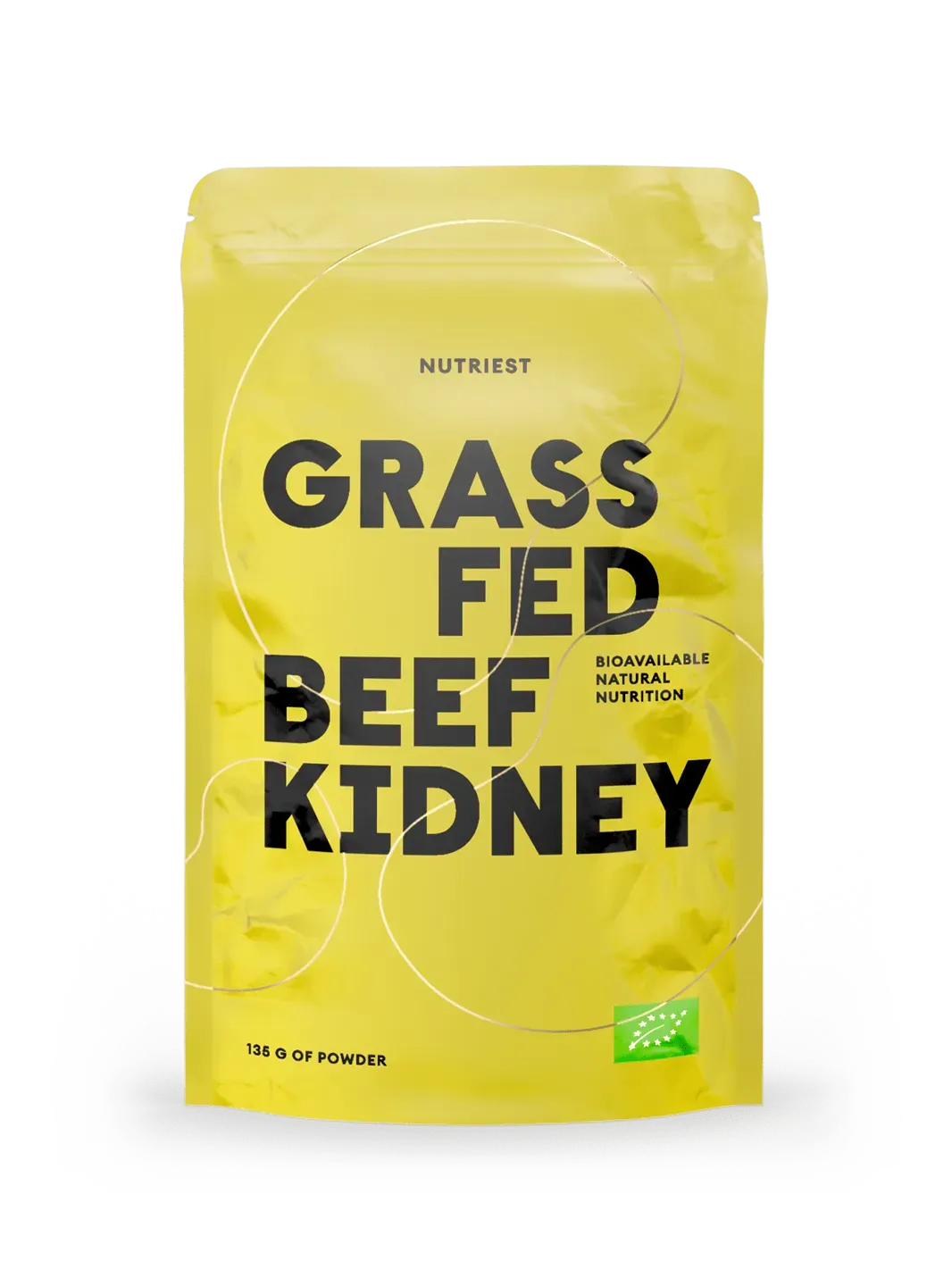
Beef kidney benefits are gaining attention, positioning it as a nutrient-rich addition to any diet. This article explores the nutritional profile, culinary uses, sustainability considerations, and how beef kidney compares to other organ meats.
Key takeaway: Beef kidney is a nutrient-dense organ meat packed with essential vitamins and minerals. Bovine collagen supplements sourced from grass-fed cattle are another popular way to incorporate these nutrients into your routine. Gembra Health offers freeze-dried beef liver and other organ meat supplements, all sourced from grass-fed, pasture-raised animals.
Nutritional Profile of Beef Kidney
Key Nutrients Breakdown
Beef kidney is one of the most nutrient-dense organ meats available, providing a broad range of essential vitamins and minerals per serving:
- High-Quality Protein: Approximately 17 grams of complete protein per 100-gram serving.
- B Vitamins: Rich in B vitamins, especially vitamin B12, one of the highest natural food sources of B12 available. Also contains riboflavin (B2), niacin (B3), and vitamin B6.
- Minerals: Excellent source of heme iron, the form of iron found in animal tissue that has higher bioavailability than non-heme iron from plant sources. Also contains selenium, an essential trace mineral with antioxidant properties.
Importance of B Vitamins
B vitamins play a key role in several fundamental body processes:
- Energy Metabolism: B vitamins are involved in converting food into cellular energy, supporting the body’s natural metabolic processes.
- Nervous System Function: Several B vitamins contribute to normal brain and nerve function.
- Red Blood Cell Formation: B vitamins, particularly B12 and folate, are involved in the body’s normal production of red blood cells.
Iron Absorption Comparison
Beef kidney is an excellent source of high-quality protein, offering approximately 17 grams per 100 grams serving. This significant protein content supports muscle repair and growth, making it an ideal addition to the diets of athletes and those engaged in regular physical activity.
Health Benefits of Beef Kidney
1. Nutritional Powerhouse for Optimal Health
Beef kidney is an excellent source of high-quality protein, offering approximately 17 grams per 100 grams serving. This significant protein content supports muscle repair and growth, making it an ideal addition to the diets of athletes and those engaged in regular physical activity.
2. Essential Vitamins and Minerals for Overall Well-being
Beef kidney contains a range of essential vitamins that play important roles in normal body function:
- Vitamin B12: Plays a role in energy metabolism and normal red blood cell formation.*
- Riboflavin (B2): Contributes to cellular function and energy metabolism.*
- Niacin (B3): Involved in normal digestive function and skin maintenance.*
- Vitamin A: Contributes to normal vision, immune function, and skin health.*
- Vitamin B6: Plays a role in neurotransmitter synthesis and normal cognitive function.*
- Selenium: An antioxidant mineral that contributes to normal immune function and helps maintain cellular health.*
These nutrients, along with beef kidney’s protein content, may help support a balanced diet. Including nutrient-dense organ meats like beef kidney as part of a varied diet can contribute to overall nutritional intake.
*These statements describe the general roles of these nutrients in the body.
3. Detoxification Support through Organ Meats Consumption
Beef kidney contains nutrients that play a role in the body’s natural metabolic processes. The organ meat is a source of selenium, an antioxidant mineral that contributes to normal immune function and helps maintain cellular health. Beef kidney also contains ergothioneine, a naturally occurring amino acid that researchers have studied for its antioxidant properties.*
Robert N. Kerley, Cathal McCarthy, Douglas B. Kell, Louise C. Kenny,
The potential therapeutic effects of ergothioneine in pre-eclampsia,
Free Radical Biology and Medicine, 2018
Sustainability Considerations and Affordability Factors
Beef kidney consumption aligns with the nose-to-tail eating philosophy, a sustainable practice that promotes using all parts of the animal. This approach reduces food waste, making it an environmentally conscious choice.
Economic Advantages:
- Affordability: Beef kidneys are generally more economical than premium cuts like sirloin or ribeye.
- Nutrient-Density: Despite their lower cost, beef kidneys contain B12, selenium, and riboflavin (as outlined above), offering solid nutritional value for the price.
By including organ meats like beef kidney in your diet, you contribute to reducing food waste and enjoy a budget-friendly source of protein and essential vitamins and minerals.
Comparing Beef Kidney to Other Organ Meats: A Nutritional Perspective!
Exploring the differences between beef liver vs. beef kidney unveils unique aspects of each organ meat.
Nutrition Profile
Beef Kidney:
- Rich in B vitamins, such as B12, riboflavin (B2), niacin (B3), and vitamin B6.
- Contains heme iron, selenium, and high-quality protein (17 grams per 100 grams).
- Low in calories (99 calories per 100 grams) and fat (3.1 grams).
Beef Liver:
- Exceptional source of vitamin A, a nutrient known to play a role in vision and immune health.
- Higher in iron compared to beef kidney, making it a valuable option for those looking to increase their iron intake.
- Abundant in folate, a B vitamin that plays a key role in cellular processes.
Conclusion: Embrace the Awesome Power of Beef Kidney!
Beef kidney is a standout addition to any whole-foods diet. This nutrient-dense organ meat offers a rich source of essential vitamins, minerals, and high-quality protein — all in a low-calorie, low-fat package.